

 We typically respond the same day

Table of contents
Did you know that the alphabet can be cut into parts as if they were puzzle pieces? Just like us humans, fonts, too, have different moods, styles, and anatomical features!
Just like a doctor needs to learn the anatomy of the human body to make informed diagnoses, understanding the anatomy of typography will certainly help you in your graphic designing career or while a designer is telling you what font he would use.
Although in the beginning, it all might seem a little intimidating or a hard nut to crack; however, it is all pretty easy to grasp and fun to learn.
Today, we will look at the anatomy of typeface, the various parts that makeup letters, and the styles of typography. So, the next time you discover a set of fonts with “extra shoulder,” you will know what that means.
So, without further ado, let’s look at the different typography styles.
What is Typography?
Typography is the art of styling and drafting letters and digits. The prime purpose of typography is to make the text legible, neat, and appealing. Font style, presentation, and structure are the key aspects of typography design used to evoke specific emotions and deliver clear messages.
Besides, the selection of particular typography and how you can make it work with your design theme is what sets apart a good design from a great one.
Why Is Typography Anatomy Important?
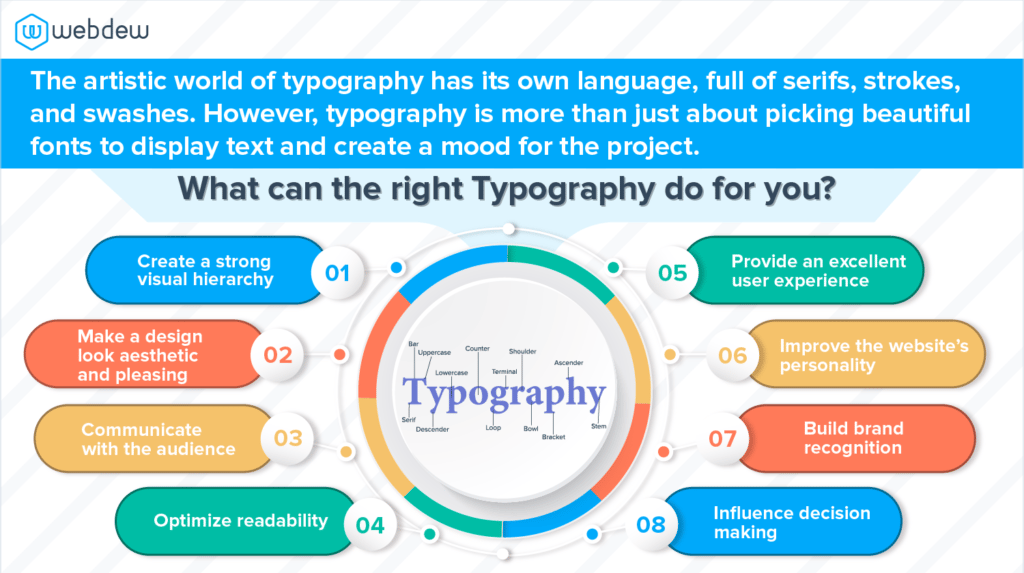
Typography anatomy plays an important role in design by shaping how we perceive and interact with text. When designers understand the various components of letterforms, such as the stem, ascender, and x-height, they can create text that is not only visually appealing but also easy to read.
By focusing on typography anatomy, designers improve legibility. For example, a larger x-height can enhance readability at smaller sizes, making information more accessible to readers. So it helps establish a clear visual hierarchy, guiding the reader’s eye through content logically.
Typography anatomy allows designers to maintain uniformity across various elements, essential for effective branding. Also, understanding anatomy typography helps in pairing typefaces effectively, for example when combining fonts in PowerPoint presentations, infographics or other visual assets, and ensures that different fonts complement each other while maintaining clarity.
Anatomy of Typography
The anatomy of typography provides you with the basic knowledge of letters and their integral parts. Besides, it helps you recognize the underlying structure of different designs. Perhaps you can make out the difference between Times New Roman and Gothic typefaces, but there are a lot of typefaces and fonts out there that are so alike that it won’t be easy to make the difference. You’ll notice this even more when comparing stylistic groups, for instance, when reviewing the best cursive fonts, where every curve and connector highlights how anatomy influences expression.
However, understanding the underlying principles and anatomy of typography is the first step toward being a successful typographer or a designer, not to mention an expert in kinetic typography videos.
Every letter has its unique shape or form, and that’s exactly what anatomy focuses on. So, let’s have an inside look at the anatomy of typography and the styles of typography.
1. Basic Anatomy
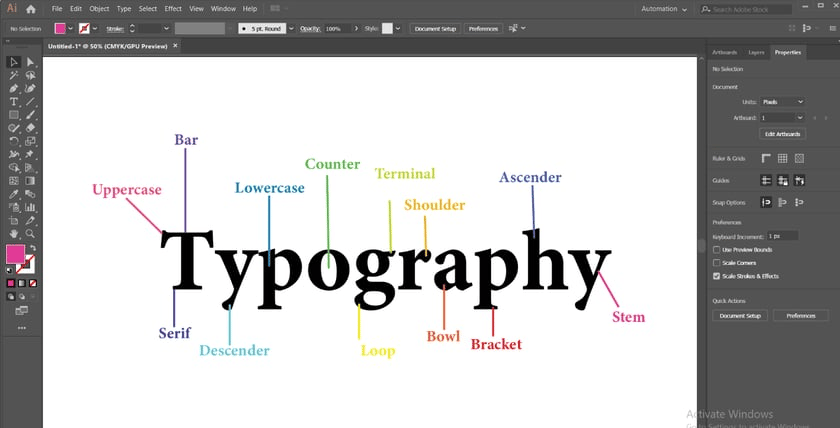
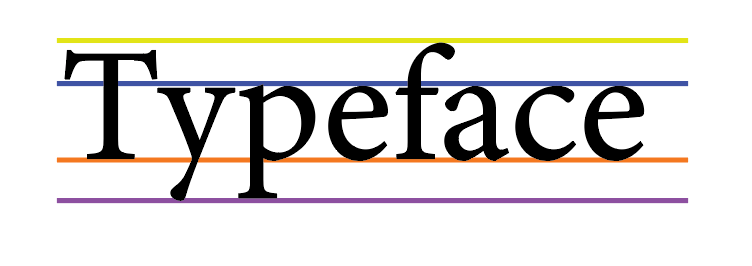
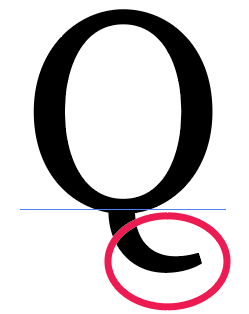
The basic anatomy of typography is all about structures of glyphs or characters. So how do we break down a typeface, what makes up a typeface, and what does it consist of? Lines of text usually indicate the size of certain parts of each character in the Typeface. Let’s take a look.
Detailed Anatomy
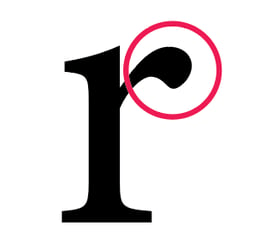
Now, let’s look at a brief overview of various anatomical parts of typography that you can use now!


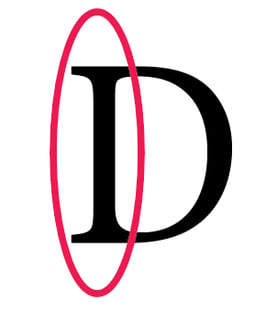

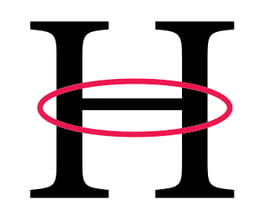
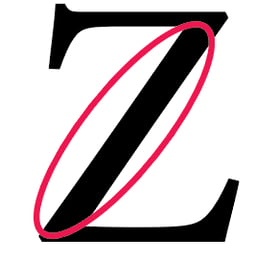
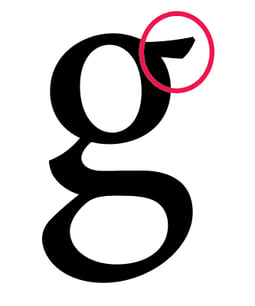
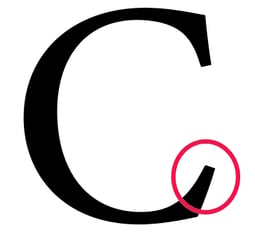
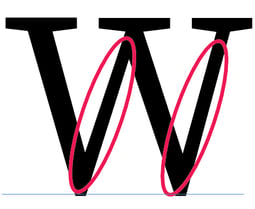
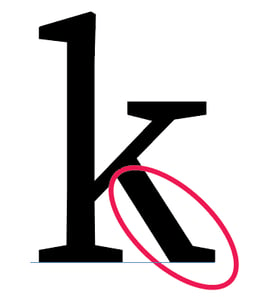
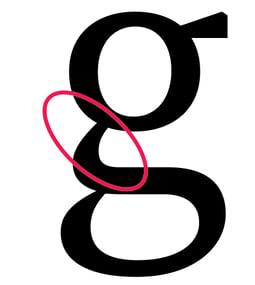
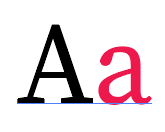
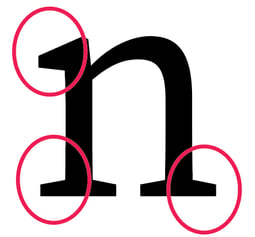
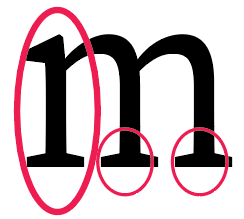
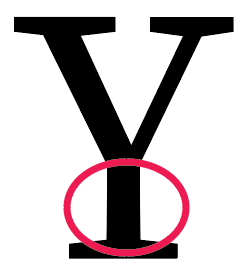
Ready to use Different Styles of Kinetic Typography?
There you go, folks! That was all about the anatomy of typography.
Typography brings the letters to come to life. It significantly impacts how people perceive your brand, content, and designs. And it takes both art and craftsmanship to add the best effect to your designs.
When done right, typography can improve readability user experience, strengthen visual communication, amplify your brand message, and whatnot. Besides, kinetic typography animation and kinetic typography videos are certainly one of the most creative and unique ways to grab the user’s attention.
So, what are you waiting for? Start experimenting with different typography styles to create amazing typefaces, and who knows, you might find one that perfectly fits your brand image.
So, what is your favourite style of typography? Do let us know!
Editor: Richa Sharma
Dive Into our Client Testimonials
Listen to business owners like you share how we’ve helped them grow. Your story could be next!





The webdew team is very supportive, they provide us with thoughtful suggestions.
We contracted webdew to build our new website. And let me tell you, they did a fantastic job. Their team was really easy to communicate with.”
The webdew team is very supportive, they provide us with thoughtful suggestions.
We contracted webdew to build our new website. And let me tell you, they did a fantastic job. Their team was really easy to communicate with.”
The webdew team is very supportive, they provide us with thoughtful suggestions.
We contracted webdew to build our new website. And let me tell you, they did a fantastic job. Their team was really easy to communicate with.”
“We worked with Chehak over the past several months to create a series of animated videos for an academic planner that we produce. And from the very beginning, she was absolutely professional and a pleasure to work with.”


6x
We helped clients multiply their website conversion rates through strategic design and UX optimization.
20%
Our marketing campaigns led to a 20% uplift in customer engagement across digital channels.
2K+
Delivered over 2,000 qualified leads through targeted funnels and smart automation.
120+
Our video content has earned 120,000+ views, driving brand awareness and audience retention.
“I recently had the pleasure of working with Chehak on a video demo project, and I was thoroughly impressed with her services.”


Additional Resources
Access expert tips, trends, and strategies designed for small businesses. Stay ahead of the curve and make informed decisions with our comprehensive resources!