

 We typically respond the same day

Ranking on ChatGPT means getting your website surfaced, cited, or recommended inside ChatGPT's answers, whether the model pulls from its own training data or from a live web search. There is no ranked list of blue links to climb. Instead, ChatGPT reads across sources, decides which ones best answer the prompt, and either names them or quotes them. To show up, your content has to be structured so a language model can extract a clean answer from it and trust the source behind that answer.
At Webdew, we have watched this shift change how B2B buyers research CRM and marketing services: they ask an assistant first and click through second. This guide walks through what "ranking" on ChatGPT actually means in 2026 and the concrete steps to earn those citations.
TL;DR
- ChatGPT surfaces sources two ways: from training data (what the model already learned) and from live browsing (ChatGPT search and the browsing tool). You optimize for both differently.
- Citations favor content that answers a question in the first sentence, uses clear question-style headings, and states facts as self-contained, checkable claims.
- Structure beats raw domain authority. Pages that are easy to parse get cited even when they do not rank first on Google.
- Being mentioned consistently across many credible third-party sources (consensus) raises the odds ChatGPT repeats your brand from memory.
- Track results manually by prompting ChatGPT and by watching referral traffic from chatgpt.com in GA4.
How does ChatGPT decide which sources to show?
ChatGPT decides using two separate pathways, and each rewards different work. The first is its training data, the text the model absorbed during training, which is where "unprompted" brand mentions come from. The second is live retrieval through ChatGPT search and the browsing tool, which fetches current pages and can cite them directly with links.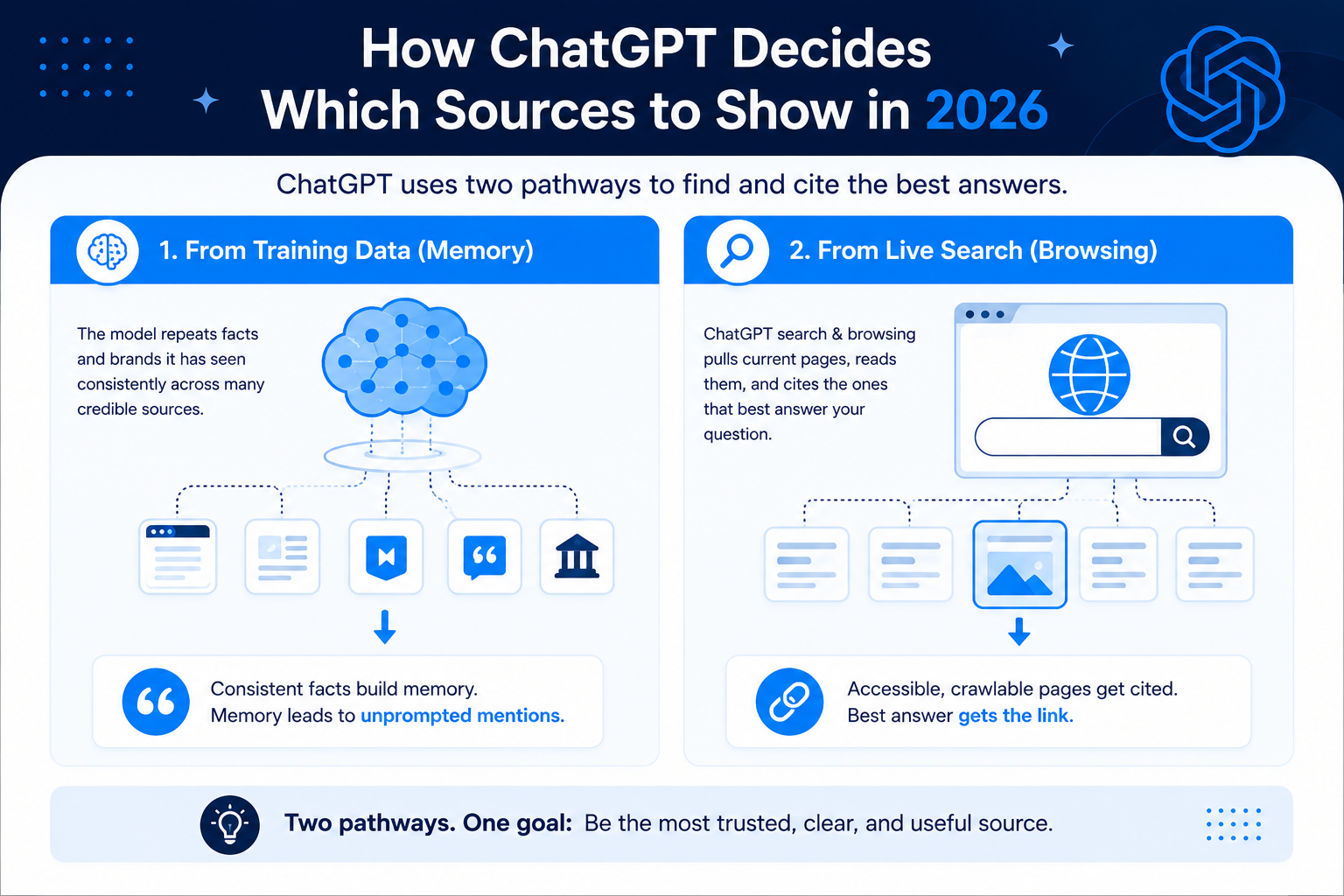
For the training pathway, the model is more likely to repeat facts and brand names that appeared consistently across many credible sources. For the live pathway, retrieval and citation lean on the same signals that help any crawler: the page is accessible, the answer is easy to locate, and the claim is stated plainly enough to quote. Understanding these two routes is the foundation, because a tactic that helps one may do nothing for the other. Treat them as two parallel programs rather than one.
What is AEO, and how is it different from SEO?
Answer Engine Optimization (AEO) is the practice of structuring content so AI answer engines can extract and cite it, rather than optimizing purely to rank a page in a list of links. Traditional SEO optimizes for position on a results page. AEO optimizes for being the answer, or the source behind it.
The practical differences show up in how you write:
- SEO targets keywords; AEO targets the questions a user actually types or speaks into an assistant.
- SEO measures click-through rate from a ranked position; AEO measures share of answer, meaning how often you are cited versus competitors.
- SEO rewards backlinks for authority; AEO rewards consistent, quotable facts across sources.
- SEO structures pages for human scanning; AEO structures them for machine extraction, using clear entities and direct answers.
If you want the full breakdown of the discipline, we cover it in depth in our guide on what AEO is.
How to rank your website on ChatGPT in 2026
To rank on ChatGPT, structure every page so a model can lift a clean answer from it, then build the external signals that make the model trust and repeat your brand. The steps below move from on-page structure to off-page consensus to measurement.
Answer the question in the first sentence
Lead each section with the direct answer, then explain. Language models weight the opening sentences of a section heavily when they extract a passage, so a section that starts with setup or context buries the very thing the model is looking for. If the heading asks "what is lead scoring," sentence one should define lead scoring, not introduce the topic.
This is the habit that moves the needle most. It costs nothing, it helps human readers too, and it maps directly to how retrieval systems chunk and rank passages.
Use question-based headings that mirror real prompts
Phrase your H2 and H3 headings the way a person phrases a prompt to ChatGPT. People do not type "Lead Scoring Overview" into an assistant; they type "how does lead scoring work" or "what is a good lead score." Headings that match the prompt wording give the model an obvious signal that the section answers that exact question.
Aim for most of your headings to be questions, keeping a few structural ones like "Key takeaways" where a question would feel forced.
Make every section self-contained
Write each section so it makes sense read on its own, with no dependence on the paragraph before it. AI engines extract sections, not whole articles, so a passage that says "as mentioned above" or leans on an earlier definition loses meaning the moment it is lifted out. Restate the subject by name, and include the context the reader needs inside the section.
State facts as clear, checkable claims
Write facts as simple subject-verb-object statements that a model can extract without ambiguity. "HubSpot workflows trigger email sequences from form submissions" is easy to quote. "The system helps streamline various processes" is not, because there is no clear subject, no specific action, and nothing to verify. Name the entity, use an active verb, and attach a concrete object or result.
Keep the page technically accessible to AI crawlers
Make sure the pages you want cited can actually be fetched and read by AI crawlers and the browsing tool. Content locked behind JavaScript that never renders server-side, blocked in robots rules, or buried under interstitials may never enter the retrieval pool. This is the same technical hygiene that supports Google's AI features, and we maintain a full technical SEO checklist for AI Overviews that applies directly here.
Google's own guidance on preparing content for AI-powered search is a useful reference for the crawl-and-render fundamentals, available in its AI optimization guide.
Build consensus across credible third-party sources
Earn mentions of your brand and your key facts across many trusted sites, not just your own. The training pathway repeats what it has seen repeated. When the same claim about your company appears on your site, in industry publications, in directories, and in third-party roundups, the model is more likely to treat it as settled and surface it without a live search. Digital PR, guest contributions, podcast appearances, and getting listed in reputable comparison content all feed this.
Add structured data and clear authorship
Mark up your content with schema and attach visible author credentials. FAQ and Article schema help machines parse what a page is and what questions it answers, and a named author with a real bio signals that a qualified person stands behind the content. Both reduce ambiguity for the systems deciding whether to trust and cite you.
Publish original data and a clear point of view
Give the model something it cannot find everywhere else. Original research, first-party benchmarks, specific examples, and a stated position all add what practitioners call information gain: net-new value over generic advice. Content that merely restates what ten other pages already say gives an engine no reason to pick it. When you follow AI-assisted drafting with human editing and real data, follow Google's guidance on using generative AI content responsibly so the work stays original and accurate.
Can you actually track whether ChatGPT is citing you?
Yes, though the measurement is less precise than classic rank tracking. You have two practical methods, and using both gives a fuller picture than either alone.
The first is manual prompting. Regularly ask ChatGPT the questions your buyers ask, in the wording they use, and note whether your brand or pages appear, how you are described, and who gets cited instead of you. The second is referral analytics. In GA4, watch for sessions referred from chatgpt.com and other assistant domains, and compare impressions to clicks in Search Console to spot the gap where answers replace clicks. Neither method is perfect, but together they show trend and direction, which is what you act on. Build both into your reporting so ChatGPT visibility gets tracked alongside traditional rankings.
Key takeaways
- Optimize for two pathways: consistent brand facts across sources feed ChatGPT's memory, while clean, accessible pages feed its live browsing.
- Lead every section with the answer, use prompt-style question headings, and keep sections self-contained so a model can extract them cleanly.
- State facts as clear subject-verb-object claims a machine can quote and verify.
- Build consensus off-site and add original data and clear authorship so you are worth citing, not just crawlable.
- Measure with manual prompting plus GA4 and Search Console rather than expecting a single rank number.
Dive Into our
Client Testimonials
Listen to business owners like you share how we’ve helped them grow. Your story could be next!





.svg)
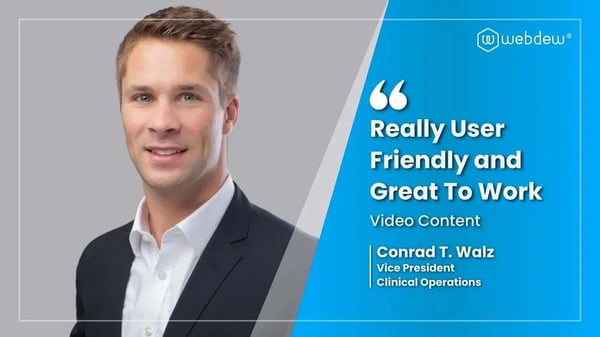
“Recently we reached out to Webdew for a website inside of HubSpot and they also did some mocking automation for us.”
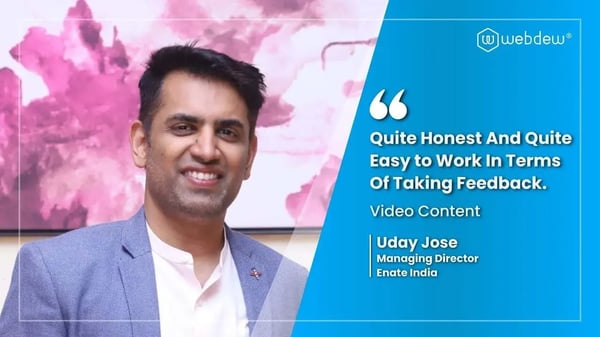
“Webdew team was quite honest and quite easy to work with in terms of taking feedback implementing it, showing that it doesn’t happen again and things like making sure that it meets our expectations.”
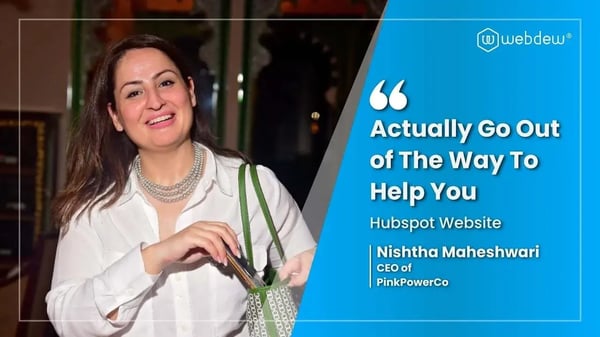
“We worked with webdew to help us build our HubSpot website and they did an amazing job with it. They were very quick.”
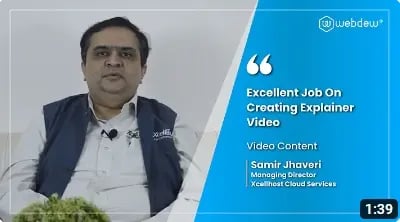
“webdew has helped us optimize the sales and marketing processes, and this is automating a lot of processes.”
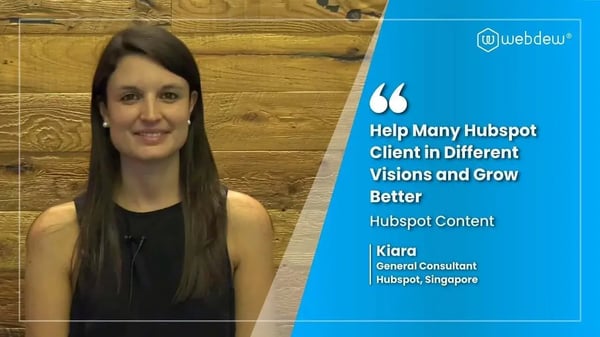
“Hi everyone my name is Kara and I work as a channel consultant at HubSpot Singapore. I’ve been working closely with webdew agency”
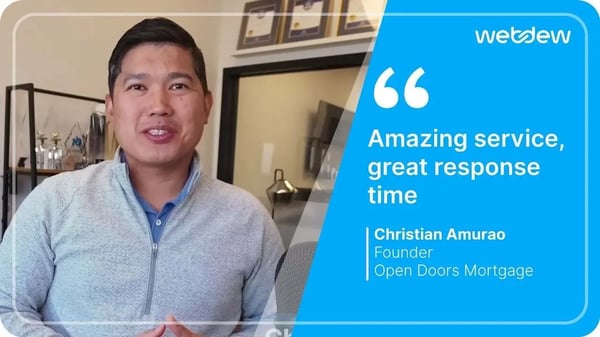
“Hi my name is Christian from OpenDoors Mortgage team and I’m in the mortgage business and just trying to work on new projects and kind of incorporating HubSpot for my operations”
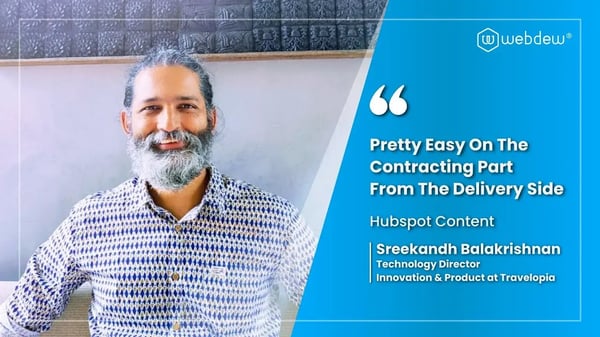
“I’m one of the technology directors for Travelopia. We are the largest experiential travel company in the world. We’ve engaged webdew recently, not recently, it’s been about a couple of quarters now.”
“We worked with Chehak over the past several months to create a series of animated videos for an academic planner that we produce. And from the very beginning, she was absolutely professional and a pleasure to work with.”


6x
We helped clients multiply their website conversion rates through strategic design and UX optimization.
20%
Our marketing campaigns led to a 20% uplift in customer engagement across digital channels.
2K+
Delivered over 2,000 qualified leads through targeted funnels and smart automation.
120+
Our video content has earned 120,000+ views, driving brand awareness and audience retention.
“I recently had the pleasure of working with Chehak on a video demo project, and I was thoroughly impressed with her services.”
.svg)

Additional Resources
Access expert tips, trends, and strategies designed for small businesses. Stay ahead of the curve and make informed decisions with our comprehensive resources!