

 We typically respond the same day

If your content is not showing up in AI-generated answers, you are losing ground you may not even know exists.
Search behavior has shifted. When someone asks ChatGPT, Perplexity, or Google's AI Overviews a question about your category, the model pulls from roughly five sources per answer, synthesizes a response, and names the ones it trusts. If your content is not among them, a competitor takes that slot. You do not get a second page.
That is what LLM SEO addresses. It is the practice of structuring and positioning your content so AI search engines cite it when they build answers. It sits alongside traditional SEO but targets a different output: not a click on a blue link, but inclusion in the answer itself.
This guide breaks down how AI engines choose sources, what signals they trust, and the concrete steps B2B SaaS marketing and RevOps teams can take to earn those citations. If you have already read webdew's AEO guide or worked through the AEO vs GEO breakdown, this article goes one level deeper on the technical and structural side.
TL;DR
LLM SEO gets your content cited in AI-generated answers from ChatGPT, Gemini, Perplexity, and Google AI Overviews. AI engines select from roughly five sources per answer, and the engines disagree on about 90-95% of which sources they pick. Getting cited consistently requires three things: your pages must be crawlable and indexed by AI bots, your content must be written so models can extract a clear answer, and your site must carry enough authority signals that the model trusts the source. This guide covers each layer in order.
What Is LLM SEO?
LLM SEO, also called generative engine optimization (GEO) or AI search optimization, is the practice of making content that AI language models can read, understand, and cite.
The distinction from traditional SEO is the unit of success. In traditional SEO, you win when someone clicks your link from a results page. In LLM SEO, you win when a model quotes or cites your content inside an AI-generated answer, regardless of whether the user clicks through.
In practice, this means structuring content around clear entities and direct answers, using structured data so models can parse what a page is about, and building the kind of third-party authority signals that make a model confident enough to name you as a source.
It is not a replacement for SEO fundamentals. Strong Google and Bing rankings correlate with AI citation. The difference is that traditional SEO alone is no longer enough. A page can rank on page one and still not appear in a single AI answer if it lacks the structural and authority signals models look for.
How Do AI Search Engines Choose Sources?
AI search engines select sources through two mechanisms: real-time retrieval and training data.
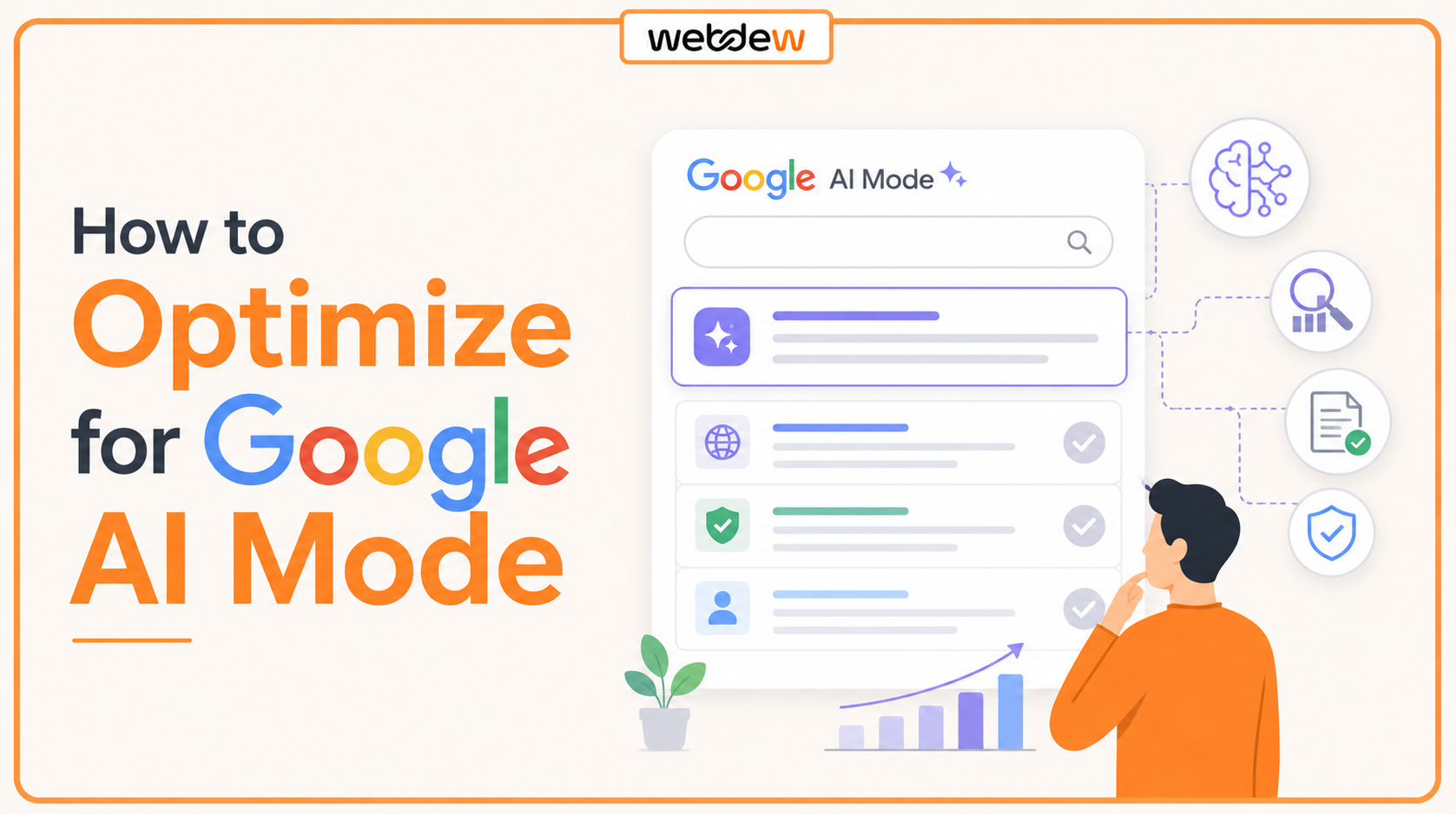
Most AI systems use retrieval-augmented generation (RAG). When a query comes in, the model fetches a set of live pages, interprets them, and synthesizes a response, then cites the pages it found most useful. ChatGPT, Copilot, and Meta AI pull from Bing's index. Google AI Overviews and AI Mode use Google's own index. Perplexity blends sources.
One technical detail that trips up many sites: most AI crawlers fetch pages but do not execute JavaScript. If your key content renders client-side through a JavaScript framework, the bot sees an empty shell. Server-rendered or static HTML is what gets read.
Beyond live retrieval, models draw on training data, encoded relationships between concepts that let them reason without exact keyword matches. This is why entity clarity matters. When your content consistently uses the same terminology as the rest of your field, models can match your page to the right queries.
How the Three-Layer Citation Framework Works
Every citation decision runs through three questions in order.
Accessibility: Can the model fetch and parse the page? This covers crawlability, Bing and Google indexation, server-rendered HTML, and schema markup.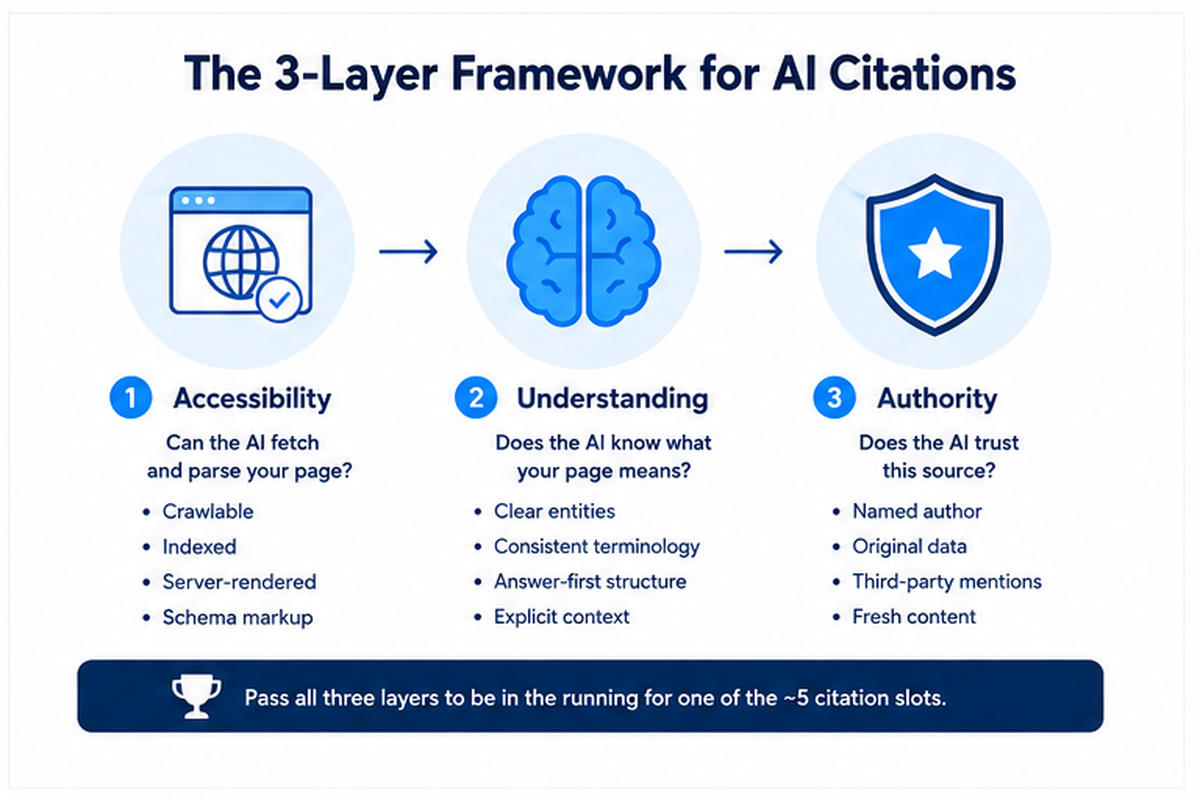
Understanding: Does the model know what the page means? This covers clear language, explicit entity names, consistent terminology, and answer-first structure.
Authority: Does the model trust this source enough to cite it? This covers named-author credentials, original data, third-party mentions, and content freshness.
A page can satisfy all three layers and still miss the citation slot because there are only five. But failing any layer removes you from contention entirely.
How Does LLM SEO Differ from Traditional SEO?
The surface difference is what you are optimizing for. Traditional SEO targets rankings and clicks. LLM SEO targets citations and mentions inside AI-generated answers.
The deeper difference is what signals matter.
In traditional SEO, backlinks and keyword placement are primary signals. In LLM SEO, entity clarity, structured data, E-E-A-T evidence, and original research carry more weight. Backlinks still matter because they feed into the authority layer, but they are not sufficient on their own.
Query length is another difference worth noting. The average AI query runs around 11 words, with most containing a question word. That is longer and more conversational than the 3-4 word Google searches that most keyword strategies optimize for. Content written around natural-language questions performs better in AI contexts than content built around short head terms.
One more practical difference: AI engines do not agree with each other on sources. For the same query, ChatGPT and Gemini share roughly 5% of cited sources. Perplexity and Gemini share around 9%. A single-engine strategy is not enough. Content that earns citations needs to satisfy the shared quality signals across all of them.
What Is GEO, AEO, and LLMO?
These terms get used interchangeably, though they have slightly different emphases.
GEO (generative engine optimization) and LLM SEO describe the same practice: structuring content so generative AI models cite it in answers.
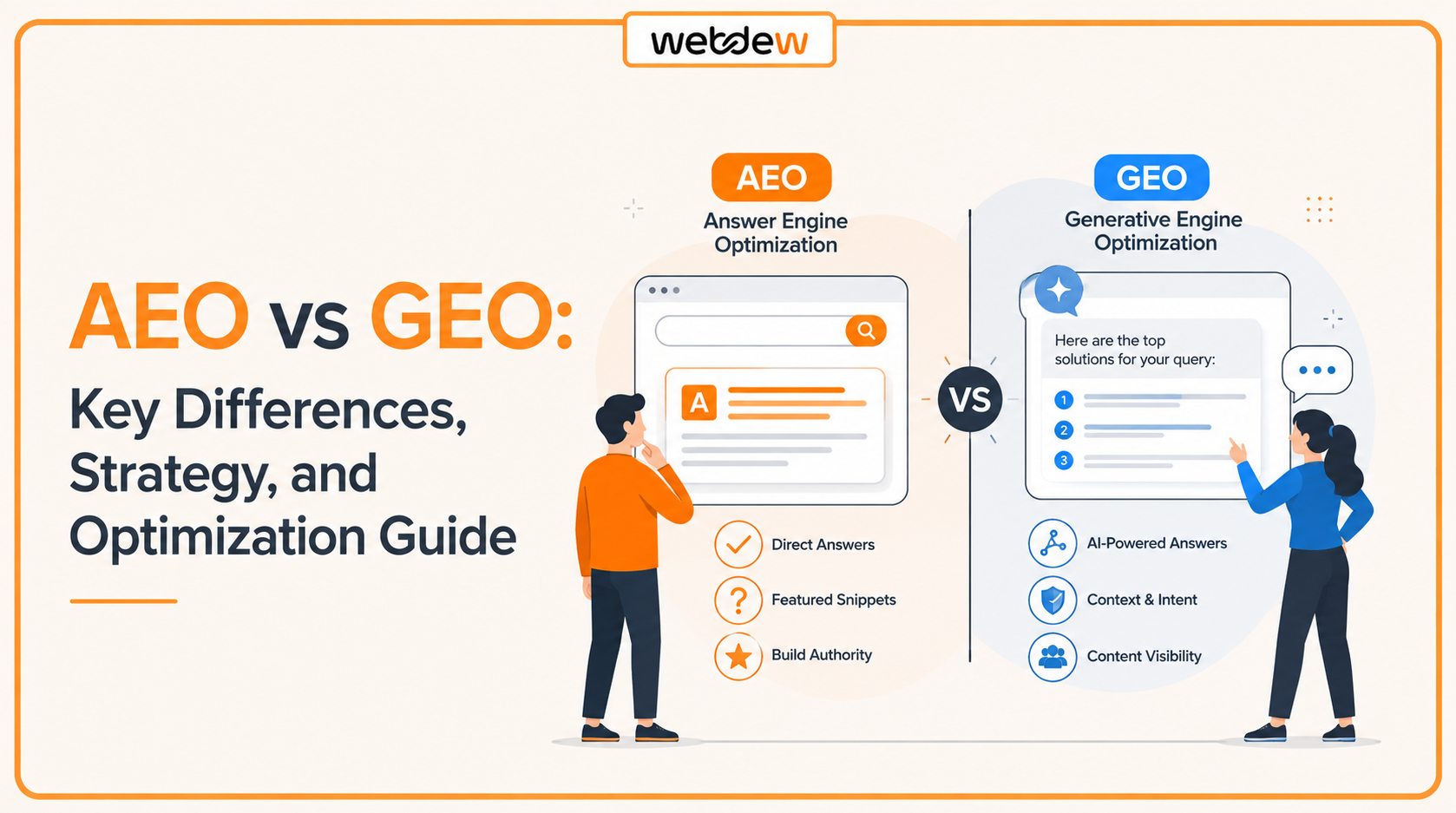
AEO (answer engine optimization) is a narrower focus on winning direct answer placements, including featured snippets and AI Overviews. webdew's AEO guide covers the specific structural requirements in detail, and the AEO vs GEO comparison maps out where the two approaches overlap and differ.
LLMO (large language model optimization) is the broadest term, covering brand presence across any AI output including multi-modal and knowledge graph appearances.
For most marketing teams, LLM SEO and GEO describe the same work. The goal in all cases is the same: earn inclusion in the answer.
Step-by-Step: How to Rank in AI Search Engines
Step 1: Get Indexed Where AI Bots Look
Because ChatGPT, Copilot, and Meta AI retrieve through Bing's index, Bing Webmaster Tools is one of the fastest paths to AI visibility. Verify your site, submit a structured sitemap, and fix any crawl errors Bing surfaces.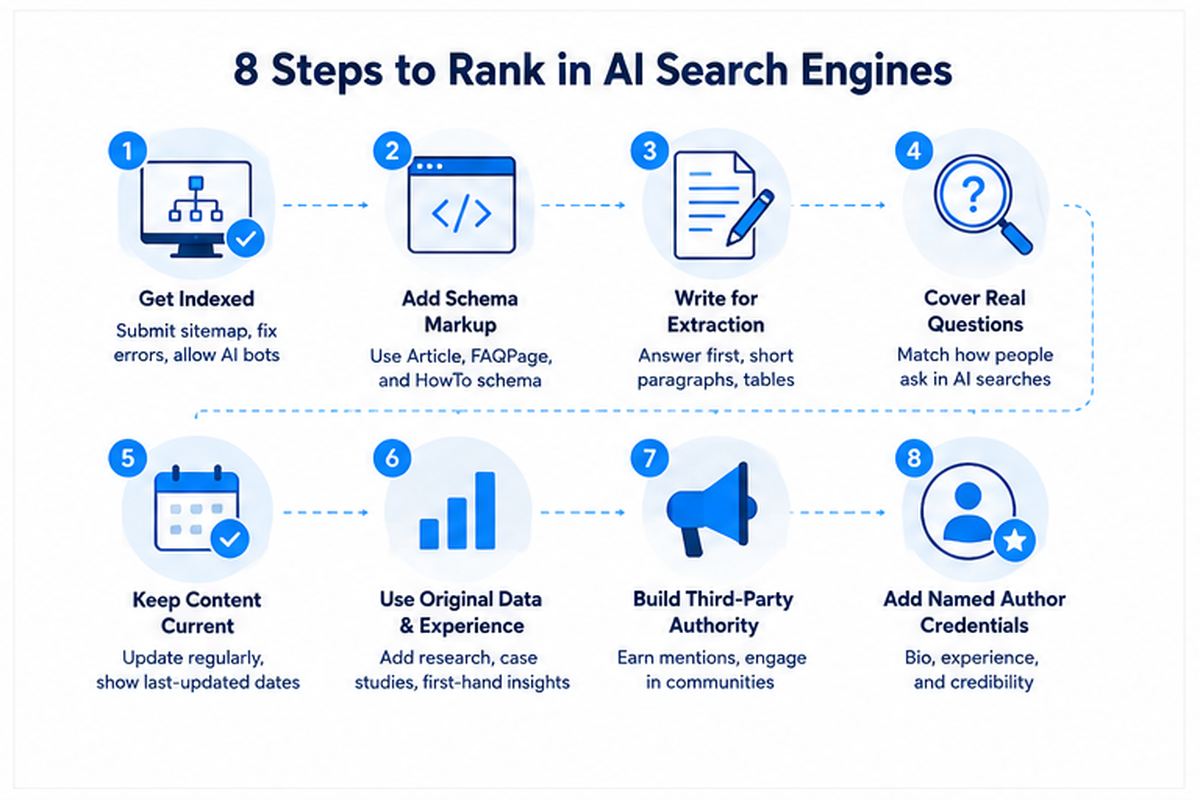
Google indexation matters for Google AI Overviews and AI Mode. Run a technical SEO audit to confirm your priority pages are indexed in both. webdew's technical SEO checklist for AI Overviews walks through the specific checks.
Allow AI crawlers in your robots.txt. The relevant bots include GPTBot, OAI-SearchBot, PerplexityBot, Google-Extended, and ClaudeBot. Blocking any of them removes you from that engine's citation pool.
Step 2: Add Schema Markup
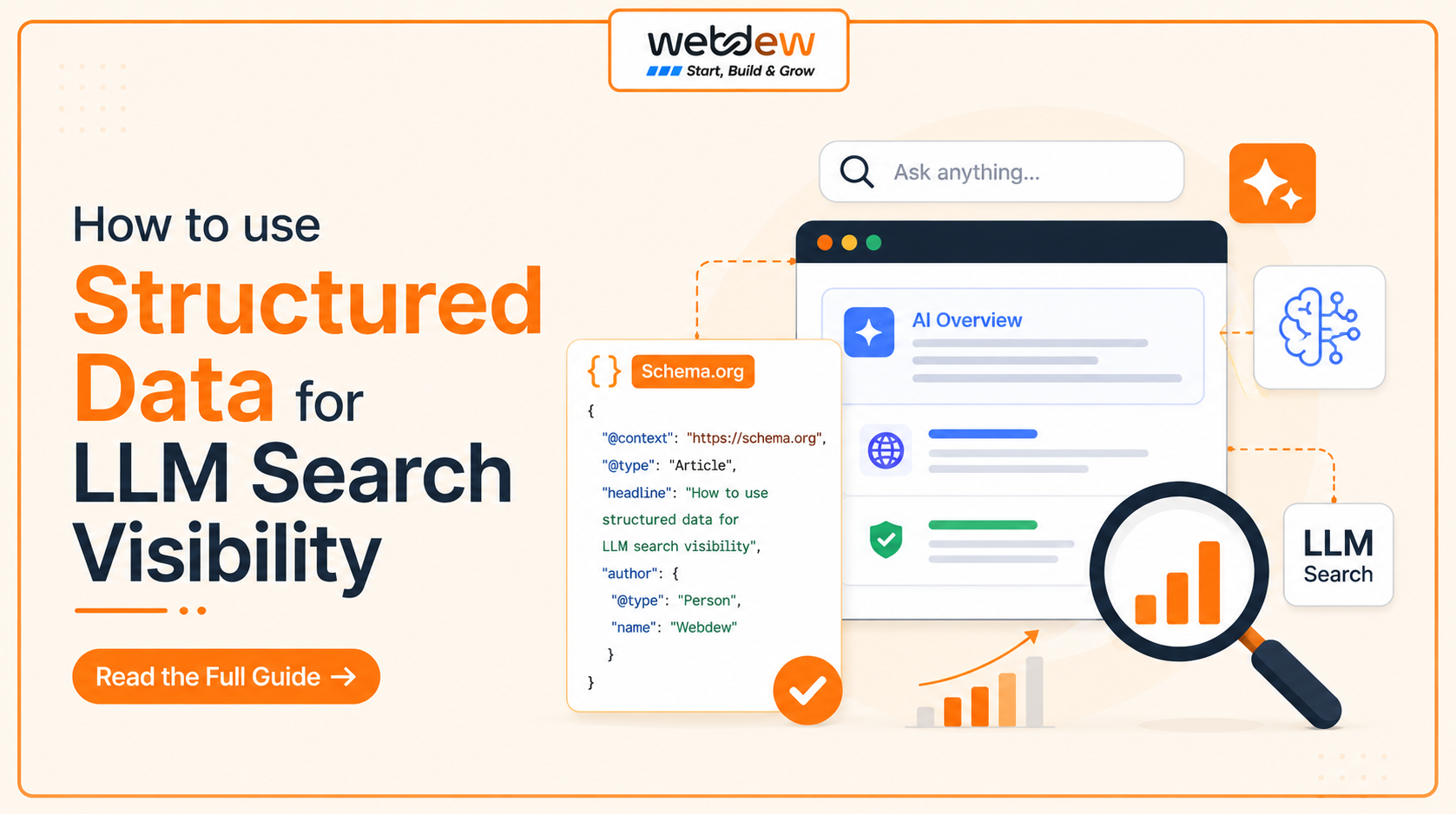
Structured data gives models explicit signals about what a page contains. Google's introduction to structured data covers the implementation basics.
Prioritize three schema types for AI visibility. Article schema goes on every blog post and content page, with accurate publish and last-modified dates. FAQPage schema goes on any page with a question-and-answer section, since models pull these as standalone answers. HowTo schema fits instructional content, since step-by-step guides earn citations at a higher rate than general explanatory text.
Validate implementation with Google's Rich Results Test before and after adding schema.
Step 3: Write for Extraction, Not Just Readability
Traditional content writing optimizes for a human skimming a page. Content written for AI citation optimizes for a model extracting a self-contained answer from a section.
The practical difference: start each section with a direct, complete answer to the question the heading poses. Give the model something it can lift and use. Then expand with context, evidence, and examples.
Use question-style headings that mirror how people actually phrase queries. "How do AI search engines choose sources?" is more likely to match AI queries than "Source Selection Process."
Keep paragraphs short enough to be extracted. Two to four sentences per paragraph is a reasonable target. Use tables for comparisons because models can pull them as structured blocks.
Google's AI optimization guide and their guidance on AI-generated content give additional detail on what Google's systems look for.
Step 4: Cover the Questions People Actually Ask
AI query patterns differ from traditional search. The average AI query is a full sentence, often starting with "how," "what," or "why." Mining autocomplete from ChatGPT, Gemini, and Perplexity surfaces the actual phrases your audience uses.
Build a dedicated section for each significant question your content covers. Answer it in the section heading and the first sentence of that section. This structure makes it easy for models to match your content to a query and extract a usable response.
For B2B SaaS and HubSpot-focused content, this often means covering implementation questions, comparison questions, and diagnostic questions about what is and is not working in a given setup.
Step 5: Keep Content Current
AI retrieval systems favor fresh content. A page that ranks well today but has not been updated in 18 months may drop out of AI citation pools even if its Google ranking holds.
Show publish and last-updated dates on the page and in schema markup. Review priority pages on a 30, 90, and 180-day cycle. Update statistics, replace outdated examples, and add a brief note on what changed. This freshness signal tells retrieval systems the content is still accurate.
Step 6: Use Original Data and First-Hand Experience
AI engines favor sources that add information they cannot find anywhere else. Generic content that restates what everyone else says is a weak citation candidate. Original research, proprietary data, client case studies, and first-hand implementation experience are harder to replicate and more likely to be cited.
For webdew, this means using HubSpot implementation experience, CRM data observations, and real client outcomes as evidence in content rather than relying on generic marketing claims.
The test: could a competitor publish essentially the same content tomorrow? If yes, the content needs more specificity. What did you observe? What did the data show? What happened when the approach was applied in practice?
Google's guidance on AI-generated content is relevant here. Content that reads like it was generated without first-hand knowledge or original perspective is a weaker citation candidate regardless of how it was actually produced.
Step 7: Build Third-Party Authority
Models cite sources they trust. Trust signals come from external mentions, third-party coverage, community discussions, and expert attribution.
For B2B SaaS content, this means contributing to relevant Reddit communities and LinkedIn discussions, getting cited in comparison articles and industry roundups, and building a consistent presence in the places your audience looks for information. Community and user-generated content on platforms like Reddit makes up a significant share of AI citations in many topic areas.
Consistent brand terminology across external mentions matters. When different publications name you differently, authority signals get diluted. Maintain a consistent entity name, keep brand descriptions aligned, and monitor how you appear in third-party sources.
Step 8: Add Named Author Credentials
E-E-A-T (experience, expertise, authoritativeness, trustworthiness) affects citation confidence. A page with a named author, a visible bio, and verifiable credentials is more likely to be cited than an anonymous page covering the same topic.
Add author bio pages with actual credentials. Link from articles to the author bio. Include relevant experience, specific publication history, and any verifiable expertise markers. This is especially important for topics where accuracy is high-stakes, including technical SEO, CRM implementation, and marketing strategy.
What Technical Signals Support LLM Visibility?
Schema markup and indexation are the minimum. Beyond those, several technical factors affect how reliably AI bots can read and interpret content.
HTTPS is a baseline requirement. Sites without it are treated as lower-trust sources across both traditional and AI search.
Page speed affects crawl quality. Slow pages get incomplete crawls. AI bots allocate crawl budget like search bots and move on when a page takes too long to respond.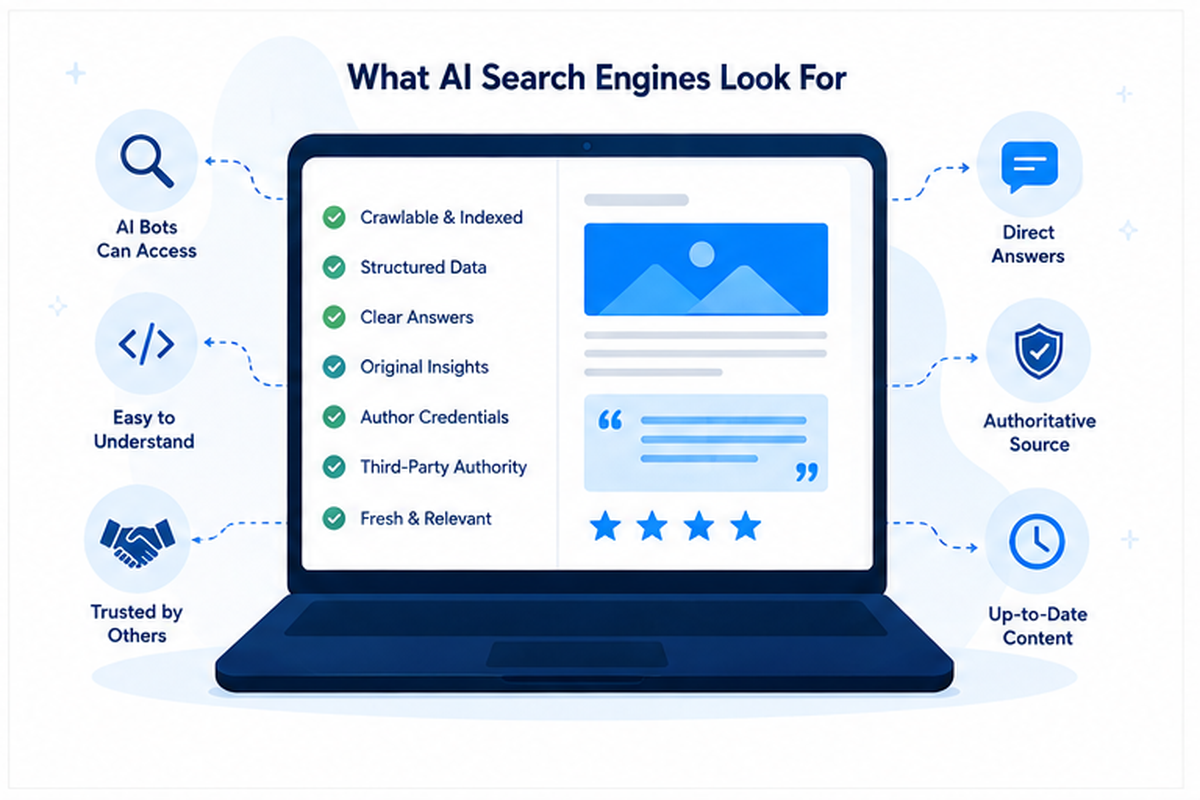
Internal linking helps models understand content relationships. Pages that link to other relevant pages on the same site, with descriptive anchor text, help models map your topic coverage. webdew's SEO basics guide covers internal linking in the context of overall site structure.
Consider adding an llms.txt file at your site root. This plain-text file lists key pages for AI models to discover. It functions similarly to robots.txt but is intended for AI systems rather than search bots. Including your primary guides, FAQ hubs, and service pages makes them easier for models to find and index.
How to Measure LLM SEO Performance
Traditional analytics tools do not track AI citations directly. Google Analytics shows referral traffic from AI platforms like ChatGPT and Perplexity when they send clicks, but most AI citations do not produce a click. Models name sources in the answer text without always linking them.
Measurement requires a combination of approaches.
Test priority queries manually across ChatGPT, Gemini, Perplexity, and Google AI Overviews on a monthly cycle. Log which pages appear, which competitors appear, and what the cited content looks like. This gives you direct visibility into citation patterns.
Track AI referral traffic in GA4 by filtering sessions from chatgpt.com, perplexity.ai, and similar referrers. Even where AI citation is not generating clicks directly, traffic trends from these sources indicate growing visibility.
Monitor branded search volume as a proxy for overall AI visibility. Brands that appear frequently in AI answers tend to see correlated growth in branded search as users seek out the named source.
Dedicated AI visibility tracking tools including Wellows, Profound, and similar platforms provide more systematic citation monitoring across engines, tracking mention frequency and share of voice against competitors.
Where to Start
If your content is currently not appearing in AI answers, the most direct path is to run a manual audit: test 20 to 30 of your priority queries across ChatGPT, Gemini, and Perplexity, note which pages appear and which competitors are cited instead, then work through the accessibility layer first.
Fix crawl or indexation issues first. Add Article and FAQPage schema. Rewrite section intros to answer the question directly. Add named author attribution where it is missing.
The structural changes take effect faster than authority signals. Pages with clean schema, answer-first structure, and proper indexation can start appearing in AI answers within weeks. Authority signals, third-party mentions, and original data take longer but are what sustain citation consistency as competitors make the same structural improvements.
webdew works with B2B SaaS teams on the full AEO and LLM SEO implementation stack, from content structure to schema to technical configuration. Contact us to start the conversation.
Dive Into our
Client Testimonials
Listen to business owners like you share how we’ve helped them grow. Your story could be next!





.svg)
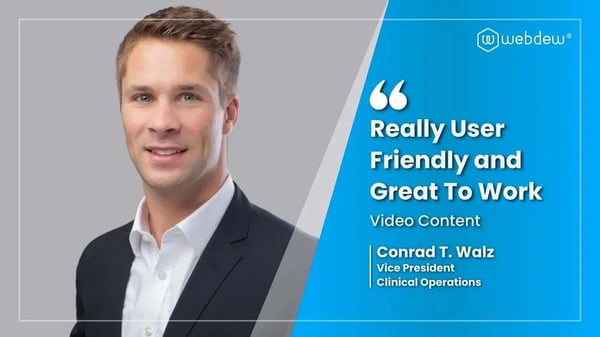
“Recently we reached out to Webdew for a website inside of HubSpot and they also did some mocking automation for us.”
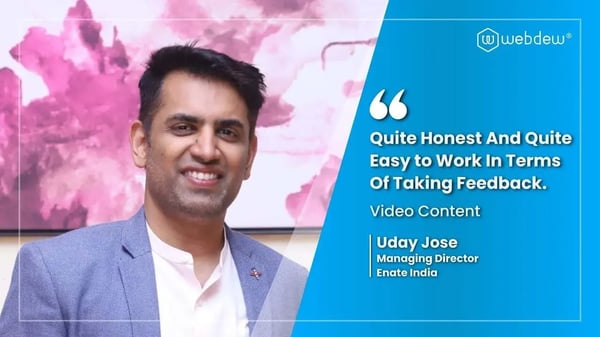
“Webdew team was quite honest and quite easy to work with in terms of taking feedback implementing it, showing that it doesn’t happen again and things like making sure that it meets our expectations.”
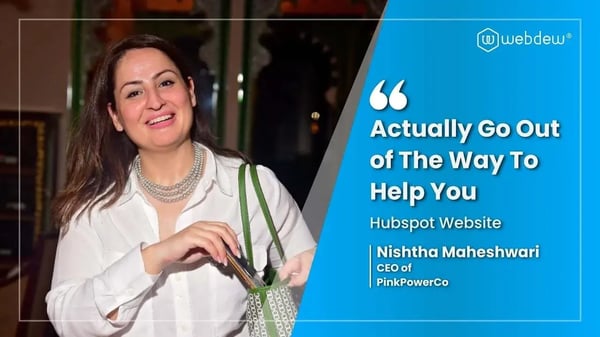
“We worked with webdew to help us build our HubSpot website and they did an amazing job with it. They were very quick.”
“webdew has helped us optimize the sales and marketing processes, and this is automating a lot of processes.”
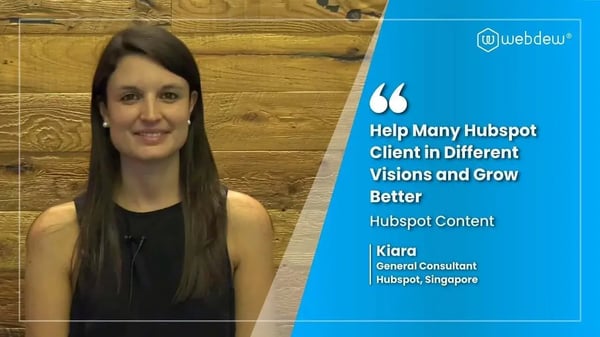
“Hi everyone my name is Kara and I work as a channel consultant at HubSpot Singapore. I’ve been working closely with webdew agency”
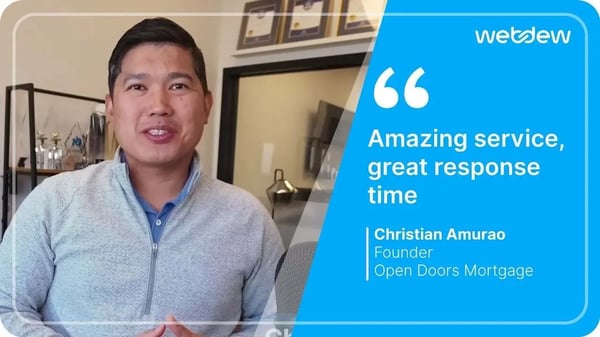
“Hi my name is Christian from OpenDoors Mortgage team and I’m in the mortgage business and just trying to work on new projects and kind of incorporating HubSpot for my operations”
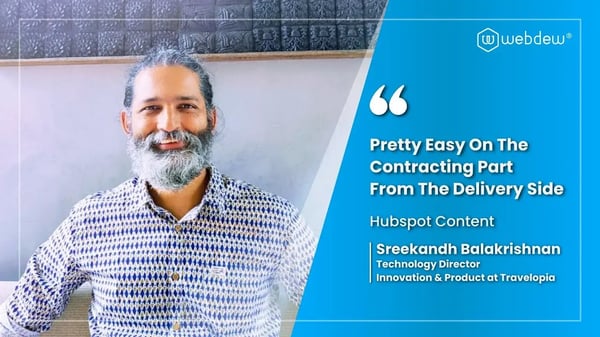
“I’m one of the technology directors for Travelopia. We are the largest experiential travel company in the world. We’ve engaged webdew recently, not recently, it’s been about a couple of quarters now.”
“We worked with Chehak over the past several months to create a series of animated videos for an academic planner that we produce. And from the very beginning, she was absolutely professional and a pleasure to work with.”


6x
We helped clients multiply their website conversion rates through strategic design and UX optimization.
20%
Our marketing campaigns led to a 20% uplift in customer engagement across digital channels.
2K+
Delivered over 2,000 qualified leads through targeted funnels and smart automation.
120+
Our video content has earned 120,000+ views, driving brand awareness and audience retention.
“I recently had the pleasure of working with Chehak on a video demo project, and I was thoroughly impressed with her services.”
.svg)

Additional Resources
Access expert tips, trends, and strategies designed for small businesses. Stay ahead of the curve and make informed decisions with our comprehensive resources!